What Are Baby Highlights and Why Does the Material Matter?
Baby Highlights are a fine, delicate highlighting technique that brightens your hair color, adds dimension, and looks more natural than traditional chunky highlights. It’s perfect for those who want a soft, expensive-looking, Western-inspired look without harsh highlight lines.
When comparing foil and foam sheets for Baby Highlights, foam is generally gentler on the hair. Foam does not trap heat or accelerate chemical reactions like foil, so it reduces the risk of breakage, brittleness, or heat damage.
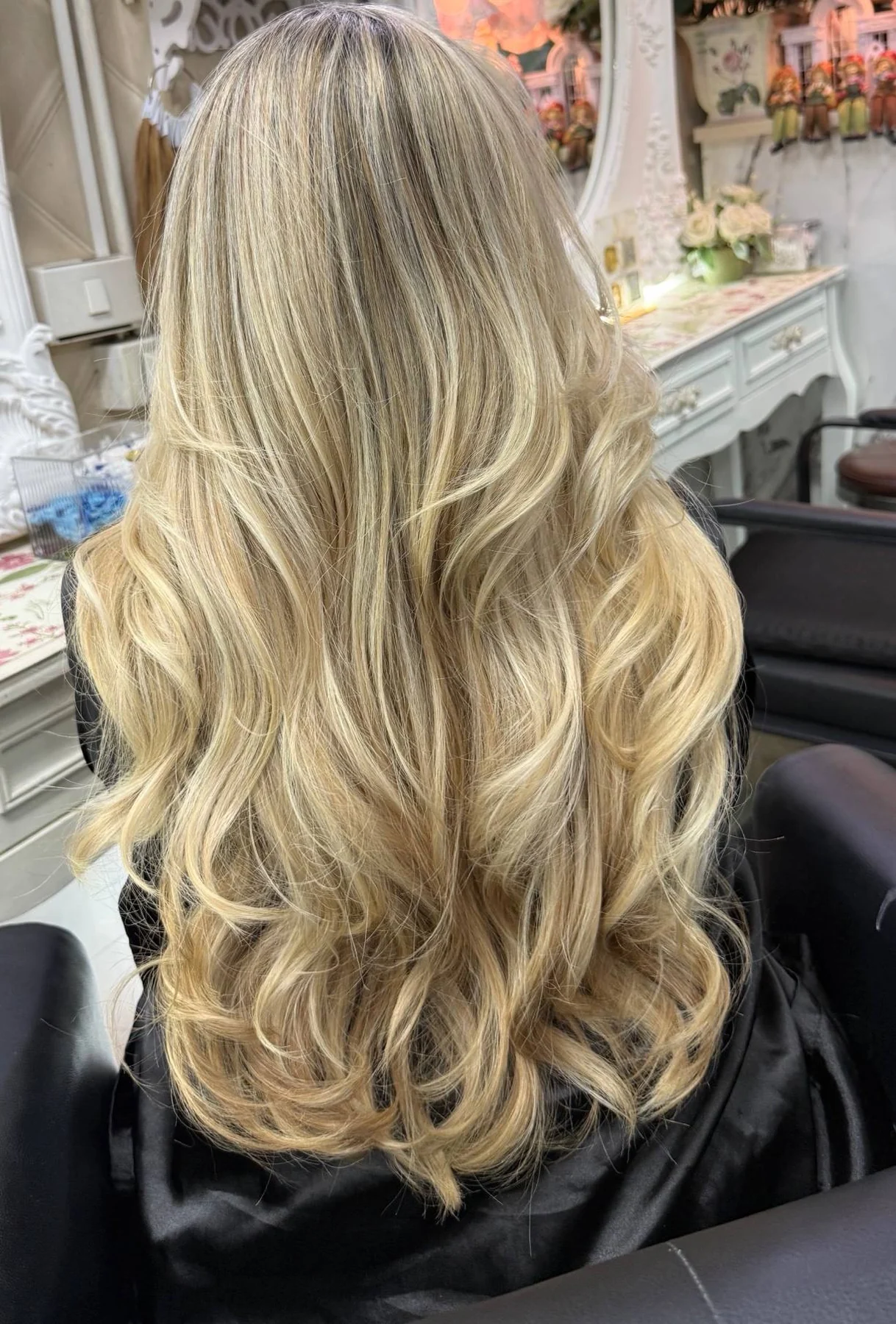
Foil vs Foam: A Comparison
Foil is best for very bright, vivid color and fast processing. However, because foil traps heat, there is a higher risk of hair damage if left too long or if heat is not carefully controlled. This can result in breakage, brittleness, or even hair loss.
| Aspect | Foil Sheets | Foam Highlight Sheets (Foam / Meche) |
|---|---|---|
| Processing | Traps heat, causing the lightening process to work quickly | Allows ventilation, does not trap heat, so chemicals process more gradually |
| Advantages | Can achieve very blonde, vivid results; good for coarse hair that is hard to lighten | Gentlest on hair, reduces risk of breakage, can be washed and reused |
| Disadvantages | Higher risk of damage if left too long or if heat is not controlled; can cause breakage or hair loss | Lightens hair more slowly than foil, but this is better for long-term hair health as it avoids heat damage |
| Best for | Those who want very bright, bold highlights or have coarse hair that is hard to lift | Those who want soft, natural Baby Highlights and want to minimize risk of breakage |
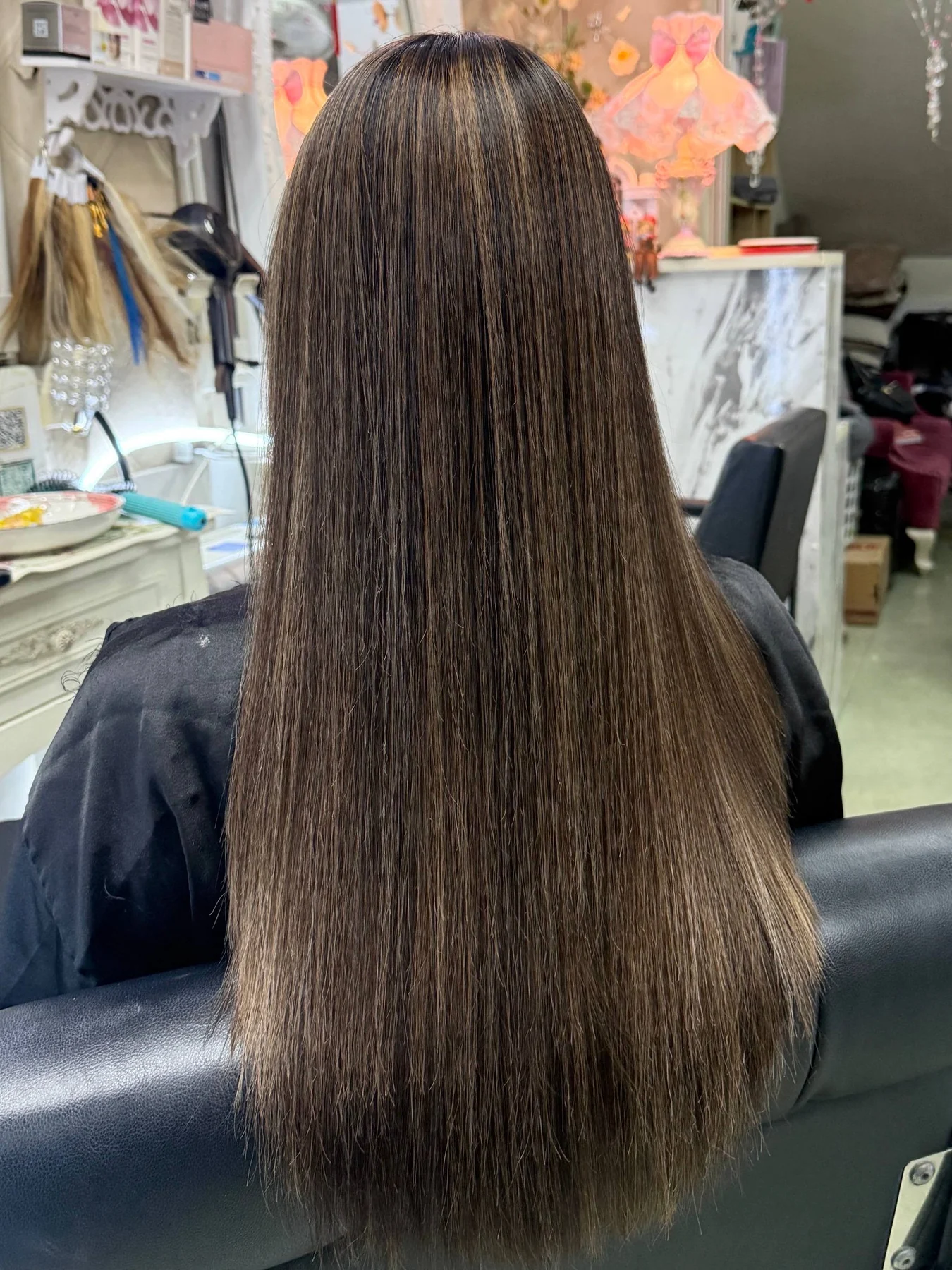
Why Is Foam Better for Baby Highlights?
Baby Highlights require a high level of precision, as the stylist selects very fine sections of hair to ensure the highlights blend seamlessly with your natural color. The result is never chunky or harsh.
With foam sheets, chemicals process more gradually because foam does not trap heat like foil. This makes it easier to control the brightness and reduces the risk of over-processing and damage.
If you are concerned about hair damage, dryness, brittleness, or breakage, Baby Highlights with foam sheets are a better choice. They help protect your hair and reduce heat-related damage compared to foil.
European-Style Baby Highlights & Soft Root Blending
For European-style Baby Highlights, managing the root area is key to achieving a soft, natural look. This technique softens the root area, blends the highlights into your natural color, and reduces the need for frequent touch-ups or repeated bleaching.
Root blending for Baby Highlights is usually done for two main reasons: to soften the highlight lines and to disguise gray hair at the roots.
1. Root Smudge for Blending Highlights
How it works: The stylist applies a slightly deeper shade at the roots, usually a natural or medium-light color, about 1–2 inches from the scalp after highlighting.
Benefits: This softens the highlight line at the roots, creating a diffused, seamless transition with your natural hair color. It avoids harsh lines or a “barcode” effect.
2. Root Touch-up for Gray Coverage
How it works: If you have gray hair at the roots, the stylist can use a fashion shade or a cool/ash tone that is slightly deeper than the ends, but still blends with the highlights, to cover just the root area.
Benefits: You don’t have to dye your whole head dark, so you can keep your Baby Highlights bright and fresh. When your natural hair grows out, the regrowth line is less obvious.
Can You Skip Root Shadow?
You can skip Root Shadow, but the results will differ. If you highlight right up to the roots or leave your natural roots without blending, the regrowth line will be more obvious and you’ll need touch-ups more often.
Traditional Foil Highlights
Description: Bleach is applied in small sections using foil, starting from the roots to the ends.
Look: Highlights are visible from the roots, with bright color throughout. This suits a bold, Y2K or Barbie-inspired look.
Downside: As your hair grows, the line between your natural color and the highlights becomes obvious, so you need frequent root touch-ups.
Babylights
Description: Similar to traditional highlights, but the stylist uses much finer sections.
Look: The result is a soft, natural brightness that blends seamlessly with your base color, never chunky or harsh.
Comparison: With vs Without Root Shadow
| Aspect | No Root Shadow Highlights to the root / natural root left | With Root Shadow Darker root blend |
|---|---|---|
| Regrowth line | Obvious line when hair grows out, if highlighted to the root or natural root left | Blended, soft, almost invisible regrowth line |
| Touch-up frequency | More frequent, every 4–6 weeks | Less frequent, lasts about 3–4 months |
| Style | Bold, bright Western look, highlights at the root, brightens complexion | Modern, soft, natural, expensive look |
Toner and Aftercare for Baby Highlights
After bleaching or highlighting, your hair may have yellow, orange, or overly bright tones in some areas. Toner helps adjust the color for a softer finish, such as beige, ash, or natural blonde, depending on your desired look.
Gentler than re-dyeing: Toners usually use a very low level of hydrogen peroxide (about 1.5%–3%), so they tone and coat the hair without as much structural damage as repeated dyeing or bleaching.
Some clients choose to skip toner if they want to keep a natural blonde after bleaching, using only purple shampoo to maintain the tone. This depends on your preference and the stylist’s assessment.
Aftercare Tips
- Use cooler water when washing your hair, as hot water opens the cuticle and causes color to fade faster
- Use shampoo and conditioner for color-treated hair, especially sulfate-free formulas, and use a hair mask at least once a week
- Use purple shampoo 1–2 times per week to reduce yellow tones and keep ashy shades longer
- Space out bleaching or root touch-ups—Baby Highlights, Balayage, Root Smudge, and Root Shadow can help extend the time between appointments to about 10–14 weeks, or even 4–6 months for some looks
Which Should You Choose?
If you want very bright, vivid color and fast highlights, foil is more suitable—but be aware it carries a higher risk of damage due to heat and accelerated chemical reactions.
If you want soft, natural Baby Highlights and less damage, foam highlight sheets are better because they don’t trap heat, don’t speed up chemical reactions, and reduce the risk of breakage or heat damage.
If you want to avoid frequent root touch-ups and want a soft, blended, expensive look, Root Shadow or Root Smudge is recommended. This helps your roots blend with your natural color and makes regrowth less obvious.
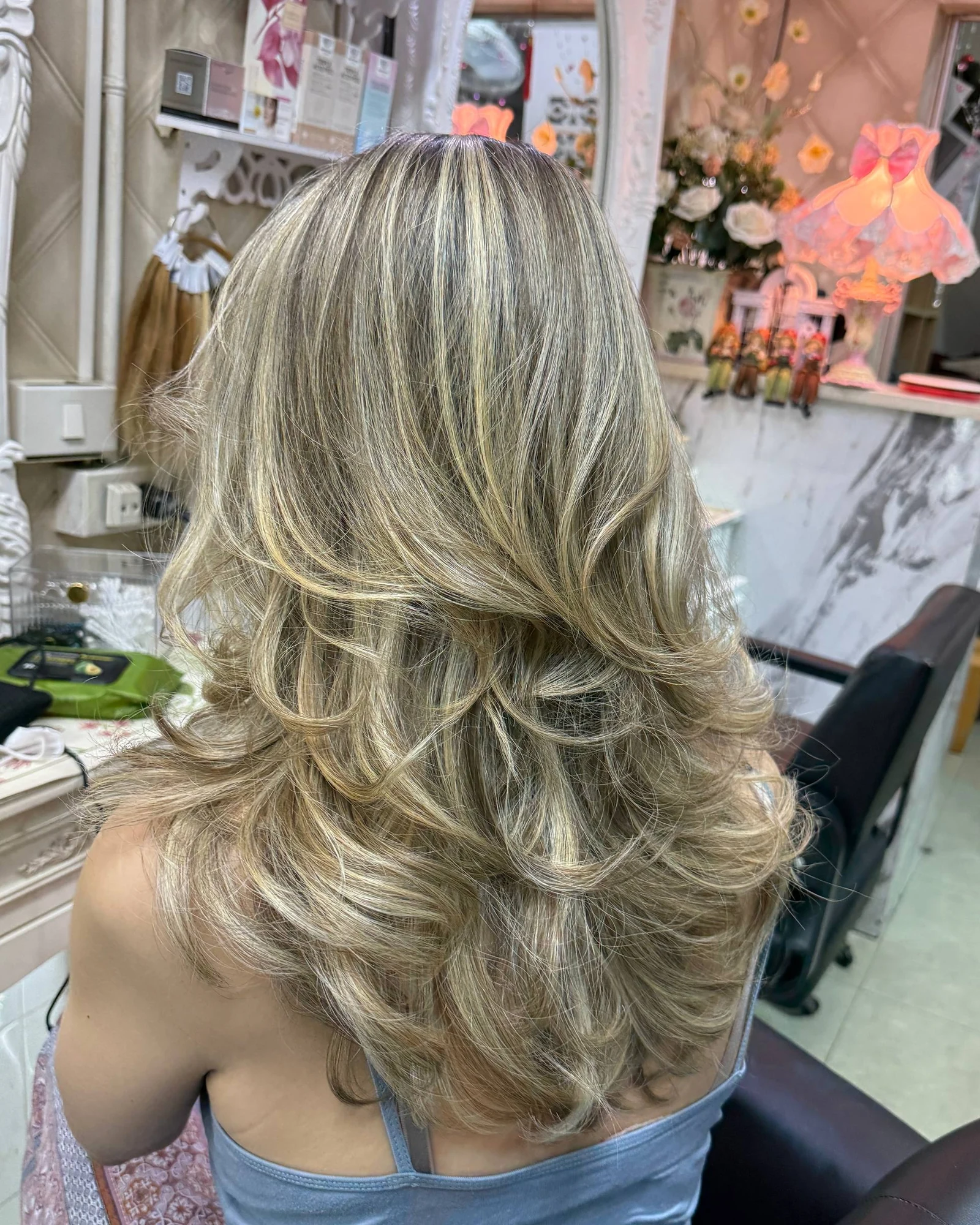
See Full-Head Baby Highlights with Natural Roots
Fine full-head Baby Highlights are dispersed through a natural blonde base, keeping the client’s roots natural while adding brighter dimension.
Read the full case →Frequently Asked Questions About Baby Highlights
Is it true that Baby Highlights with foam sheets cause less hair damage than foil?
Generally, foam sheets do not trap heat or accelerate chemical reactions like foil, so they are better for soft Baby Highlights and reduce the risk of breakage.
Who is foil best for?
Foil is suitable for clients who want very bright, vivid color or have coarse hair that is hard to lighten, but timing and heat must be carefully controlled.
Does everyone need Root Shadow?
Not everyone needs it, but it’s ideal for those who want a seamless root blend, no harsh lines, and less frequent touch-ups.
Consult a Stylist Before Getting Baby Highlights
At Oilly Hair Salon, we assess your hair condition, color history, previous bleaching, straightening, perming, or other chemical treatments to choose the best technique for your hair.
Book a Service